



Iran’s currency collapsed by roughly 95% in a single night, while authorities reportedly cut internet access as protests spread. That moment taps into a global fear: what happens to your money when both banks and the internet stop working?
DISCOVER: Top 20 Crypto to Buy in 2026
What actually happened in Iran?
The Iranian rial slid from already weak levels to nearly one million per U.S. dollar, wiping out household purchasing power almost instantly. Merchants in Tehran’s Grand Bazaar struggled to price goods, which triggered protests and a state response. Authorities restricted communications, pushing internet usage down by as much as 97%.
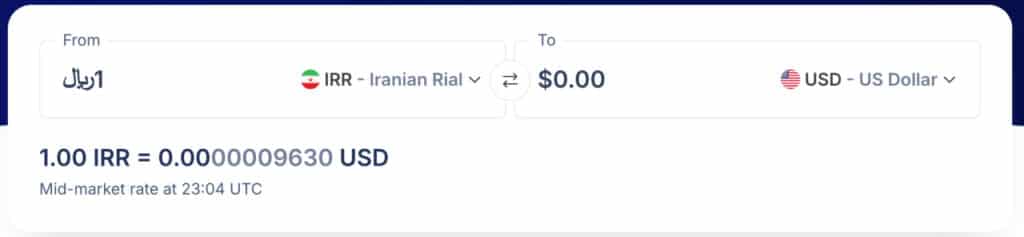
(Source: Iran Riyal value / Xe)
This matters because digital money needs access. Credit cards failed. Banking apps froze. Even crypto became hard to use because you still need a connection to reach the network.
Some Iranians turned to Starlink satellite internet, despite its use being illegal and punishable, as access itself became a financial lifeline.
Why Bitcoin enters the conversation
Bitcoin was designed for moments like this. It lets you send value directly to another person without a bank. Think of it as digital cash that lives on a public ledger instead of inside a vault.
JUST IN:
Iran offers to sell weapons systems, missiles, drones, and warships to foreign governments for Bitcoin and crypto. – Financial Times pic.twitter.com/5q32StInpr — Bitcoin Archive (@BitcoinArchive) January 1, 2026


Here’s the part many beginners miss. Bitcoin does not need banks, but it does need a path to the network. That path can be the internet, satellites, or radio signals.
Tools like Blockstream Satellite broadcast the Bitcoin blockchain from space. Anyone with the right equipment can verify transactions without a normal internet connection. That design keeps Bitcoin alive even when governments flip the switch.
Bitcoin as a hedge vs. Bitcoin as a lifeline
These are two different jobs. As a hedge, Bitcoin protects against money printing because its supply is capped at 21 million. Losing 20% in a month feels painful, but it beats losing 95% overnight.
As a lifeline, Bitcoin helps people move money across borders when banks block transfers. That works best when people already hold Bitcoin and control their own wallets.
In Iran, the state moved fast to block exits. Stablecoins like USDT, which act like digital dollars, face strict caps. Peer-to-peer trading still exists, but prices spread out, and risks rise.
DISCOVER: Top Ethereum Meme Coins to Buy in 2026
Where the risks show up fast
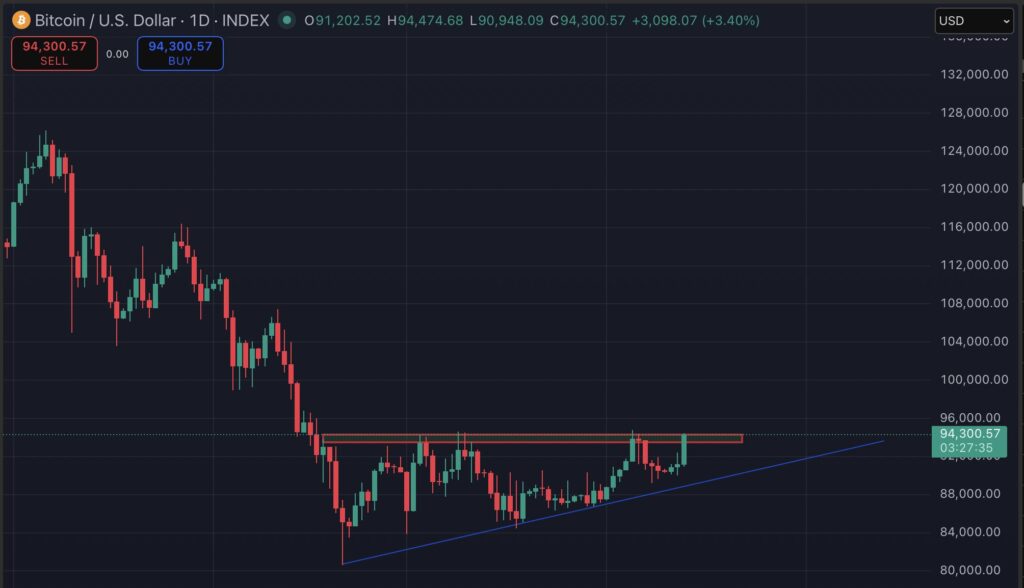

(Source: BTCUSD / TradingView)
Bitcoin is volatile. It swings hard. That makes it tough for daily spending in a crisis. Access also matters more than ideology.
If exchanges shut down, on-ramps disappear. If the internet stays dark, only those with technical tools can use the network. That gap leaves everyday families exposed.
We saw similar pressure points in other regions facing currency hyperinflation scenarios and tighter Middle East crypto regulations.
Iran’s crisis shows Bitcoin’s real role. It does not magically fix broken economies, but it gives people an exit when money fails. The open question is access, not design, and that is where the next chapter gets decided.
DISCOVER: Top Solana Meme Coins to Buy in 2026
Follow 99Bitcoins on X For the Latest Market Updates and Subscribe on YouTube For Daily Expert Market Analysis
The post Iran’s Currency Crash Tests Bitcoin’s Use Without Internet appeared first on 99Bitcoins.


