
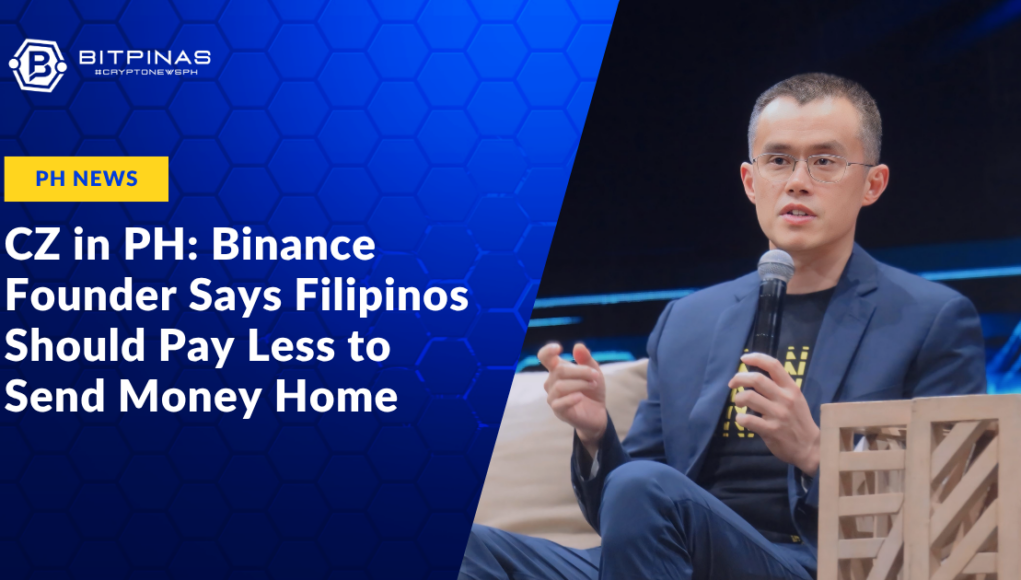
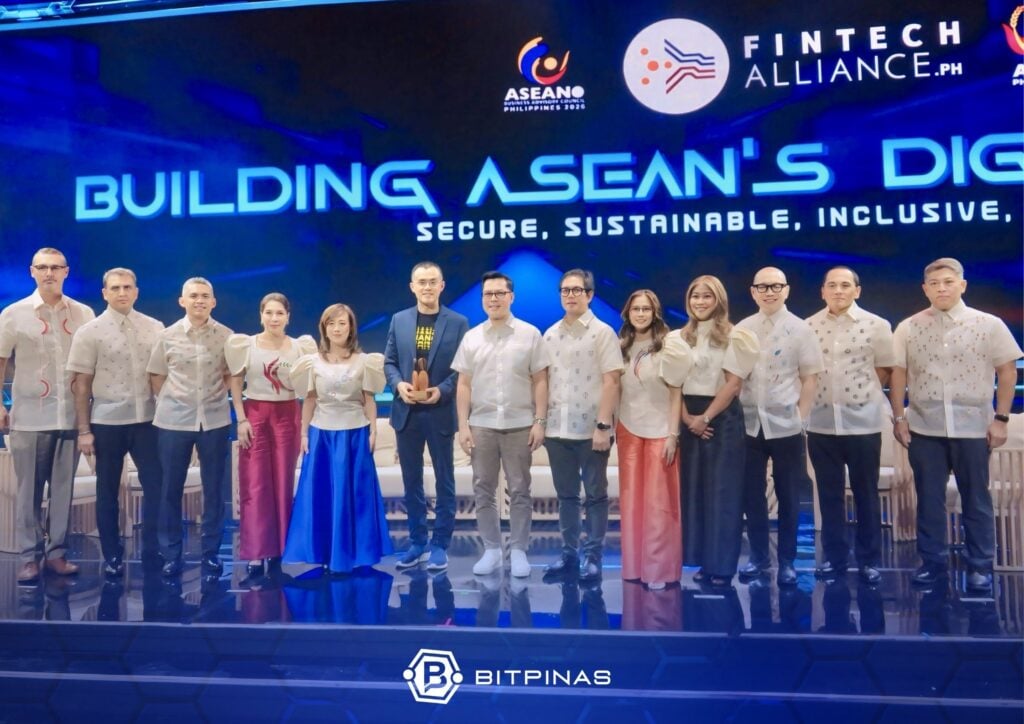
Binance co-founder Changpeng “CZ” Zhao addressed zero-fee stablecoin models, financial literacy barriers, and cross-border regulatory coordination during a panel discussion with FinTech Alliance Philippines Founding Chairman Lito Villanueva at the ASEAN Tech Summit in Manila.
The panel, titled “One ASEAN, One Digital Economy: The Role of Stablecoins in Enabling Borderless Commerce,” examined how regulated digital assets impact remittances and cross-border payments across Southeast Asia.
Stablecoin Economics and Remittance Fees
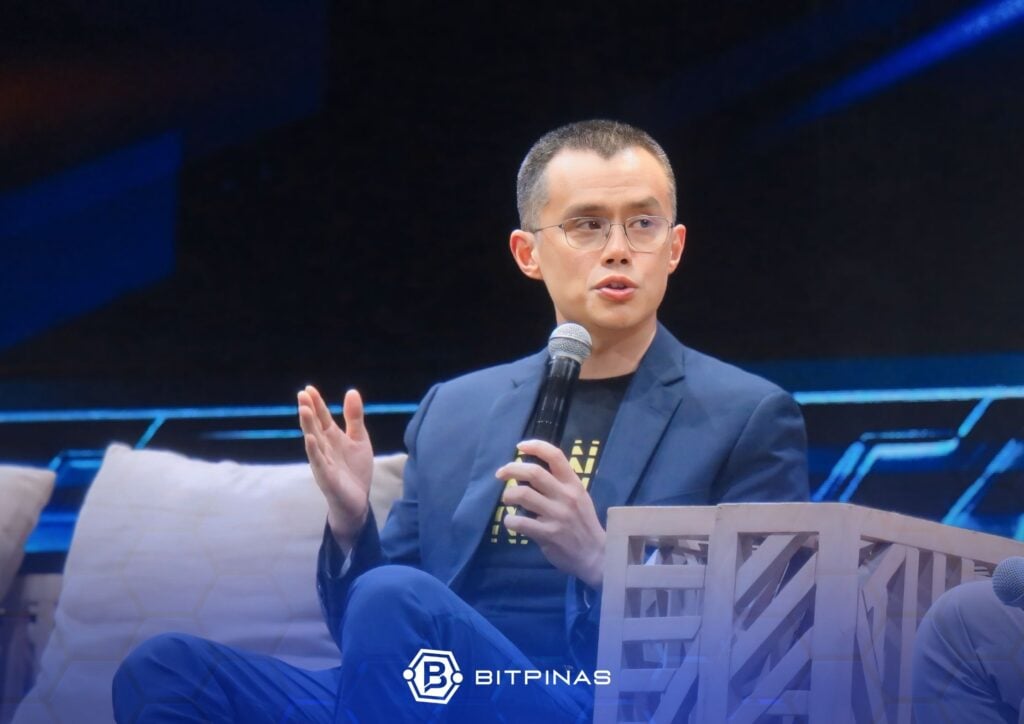
During the discussion, Villanueva noted that overseas Filipinos send approximately $35 billion in annual remittances, with traditional money transfer fees consuming between 3% and 10% of those transactions.
Zhao advocated for zero-fee or near-zero-fee stablecoin models to reduce cross-border transaction costs.
“I would recommend most stablecoin transactions to be basically zero fee,” Zhao said. “That’s the best way to push this new technology… Most blockchains, the stablecoin transactions, at least on the BNB Chain, is basically zero”.
Addressing how platforms can remain sustainable without charging transaction fees, Zhao likened the model to free internet services supported by other revenue streams.
“In today’s world, you can offer certain services for free, but you can make money somewhere else,” Zhao said. “In the sort of ecosystems that Binance is involved in, they make fees from the traders. That is sufficient to sustain many, many other services for free”.
Financial Literacy and Technology Adoption Barriers
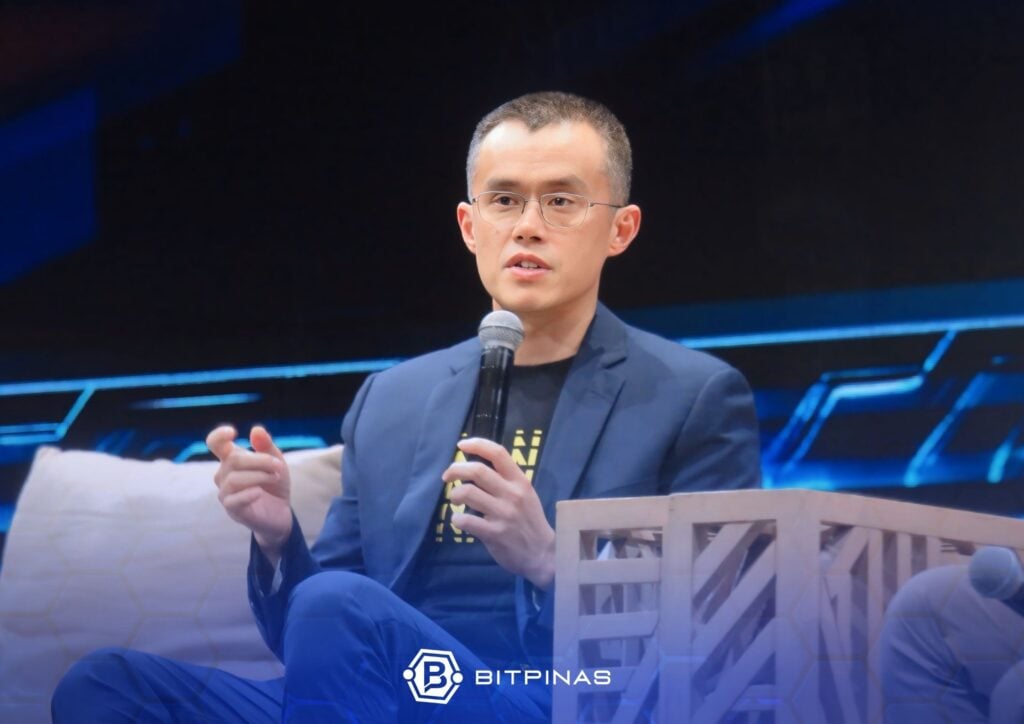
When asked to identify the primary obstacle to digital asset adoption among ASEAN’s unbanked population, Zhao pointed to education rather than mobile hardware or connectivity.
“The technology, the smartphone, the connectivity is there,” Zhao said. “The harder part is the financial education, is the literacy”.
Zhao added that user experience remains a key hurdle for mainstream users dealing with technical blockchain features.
“To use the blockchain technologies, you have to deal with addresses, which are random strings that humans are not very good at dealing with,” Zhao said. “So we need either to make the product so much simpler or we need to educate a lot more, and we need to do both”.
Autonomous AI Agents and Platform Security
The panel also addressed the rise of autonomous AI agents executing financial transactions on-chain. Villanueva questioned who holds legal and moral responsibility when an automated agent executes a failed trade or falls victim to a scam.
“The responsibility is definitely shared between the developers of AI plus the user,” Zhao said. “As a user, you gotta put in safety rails. You don’t want to put your life savings to an agent to control today. The technology is not that mature”.
To counter fraud and scams, Zhao noted that exchanges and non-custodial wallets increasingly deploy automated risk systems to flag suspicious wallet addresses.
Citing blockchain analytics data, Zhao stated that illicit crypto activity represents a small fraction of overall volume compared to traditional banking systems.
“Only 0.0014% of crypto transactions are associated with illicit transactions,” Zhao said. “In the traditional banking world, in what we call the fiat money world, two to five percent of transactions are associated with illicit transactions”.
Regulatory Cooperation and Regional Passporting

Addressing relations between technology founders and policy makers, Zhao acknowledged that his view of regulatory bodies has shifted over time.
“I used to view the regulators as like the blockers,” Zhao said. “But actually the more I spend time with them now, I actually understand their job is pretty difficult to do. And they share the same goal as founders really… We just sit in different seats”.
Regarding regional frameworks like the ASEAN Digital Economy Framework Agreement (DEFA) and regulatory passporting – – which would allow licensed firms to operate across member states – – Zhao stated that alignment depends on policy decisions rather than technological constraints.
“I think that’s mostly a political problem,” Zhao said. “The technology is simple, and the technology is the same across different countries”.
Local Operational Developments
The Manila panel follows local structural updates involving Binance and its Philippine partner, BlockShoals Technologies Inc..
BlockShoals officially joined FinTech Alliance Philippines as part of its efforts to operate as a Crypto Asset Intermediary under the Securities and Exchange Commission’s Strategic Regulatory Sandbox (StratBox) framework.
In addition, former Coins.ph Country Manager Jen Bilango was appointed as General Manager for Binance in the Philippines to lead local operations and regulatory compliance under BlockShoals.
Last month, Zhao was also in the Philippines and met with regulators from the SEC and Department of Finance.
This article is published on BitPinas: CZ in PH: Binance Founder Says Filipinos Should Pay Less to Send Money Home
What else is happening in Crypto Philippines and beyond?