

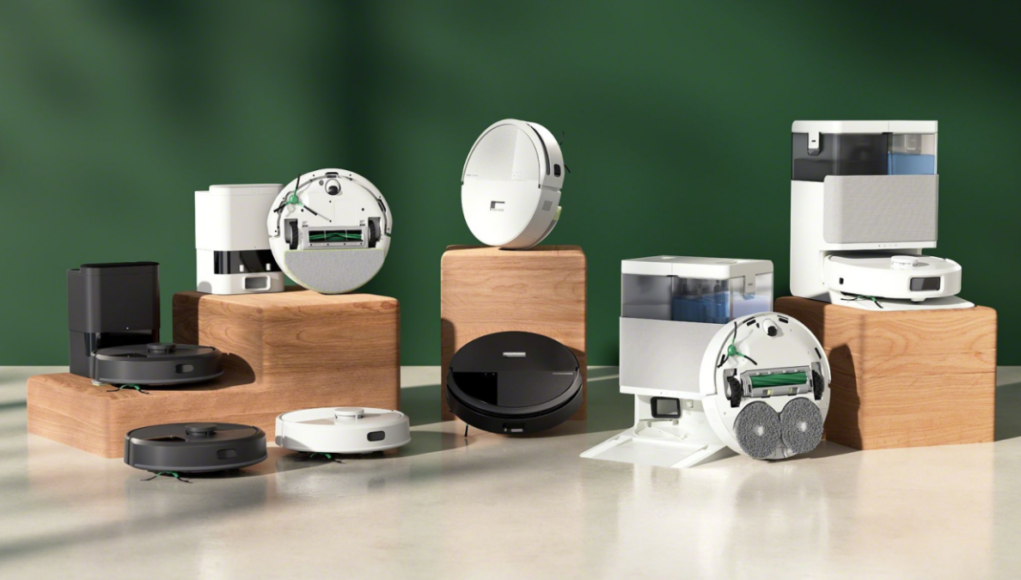
Roomba maker iRobot has filed for Chapter 11 bankruptcy in the District of Delaware, capping off several difficult years of financial woes for the U.S. robot vacuum company. Announced on Sunday, iRobot will now be acquired by Chinese robotics company Picea, which has been acting as its secured lender and primary contract manufacturer.
Under the deal, Picea will enable iRobot to continue operations, as well as develop products and maintain its global presence. Picea will also cancel the substantial multimillion dollar debt iRobot owes it. In exchange, Picea will receive complete ownership of iRobot, which will become a private company no longer listed on the stock exchange.
“Today’s announcement marks a pivotal milestone in securing iRobot’s long-term future,” iRobot CEO Gary Cohen said in a statement. “The transaction will strengthen our financial position and will help deliver continuity for our consumers, customers, and partners.”
Fortunately, this agreement with Picea means that iRobot customers who already own a Roomba shouldn’t experience any disruption to app functionality, customer programs, or product support. iRobot further said that it will continue to “operate in the ordinary course, including to meet its commitments to employees and make timely payments to vendors.”
Mashable Light Speed
Unfortunately, iRobot’s stockholders won’t receive such a positive outcome. As a result of Picea’s acquisition, all existing equity in iRobot will be wiped out. iRobot states that its stockholders “will experience a total loss and not receive recovery on their investment.”
The writing has been on the wall for iRobot for a while. Last January, iRobot’s $1.4 billion acquisition deal with Amazon collapsed due to antitrust concerns from the European Union. This prompted the struggling company to announce a significant restructure, decreasing its spending on marketing and ultimately cutting over half its staff.
Even so, it wasn’t enough to reverse iRobot’s fortunes. This March, iRobot stated that there was “substantial doubt” it would be able to continue after its Q4 2024 financial results revealed that revenue had fallen 44 percent compared to the same time the previous year. Annual revenue also dropped from $890.6 million in 2023 to $681.8 million in 2024, a reduction of over 23 percent.
The company had hoped that its 2025 product lineup would reverse its fortunes, Cohen stating at the time that it was the “largest product launch in iRobot’s history.” Sadly, this last ditch effort failed to spark the turnaround that iRobot was hoping for. Talks with iRobot’s another potential buyer subsequently fell through in October, sending its already low stock falling by 33 percent and leaving the robot vacuum company with few places to turn.
Founded in 1990, iRobot’s Roomba was once synonymous with robot vacuums. Those days are now long gone, and it will be a difficult battle if iRobot hopes to bring them back.